—
5
Min
Read

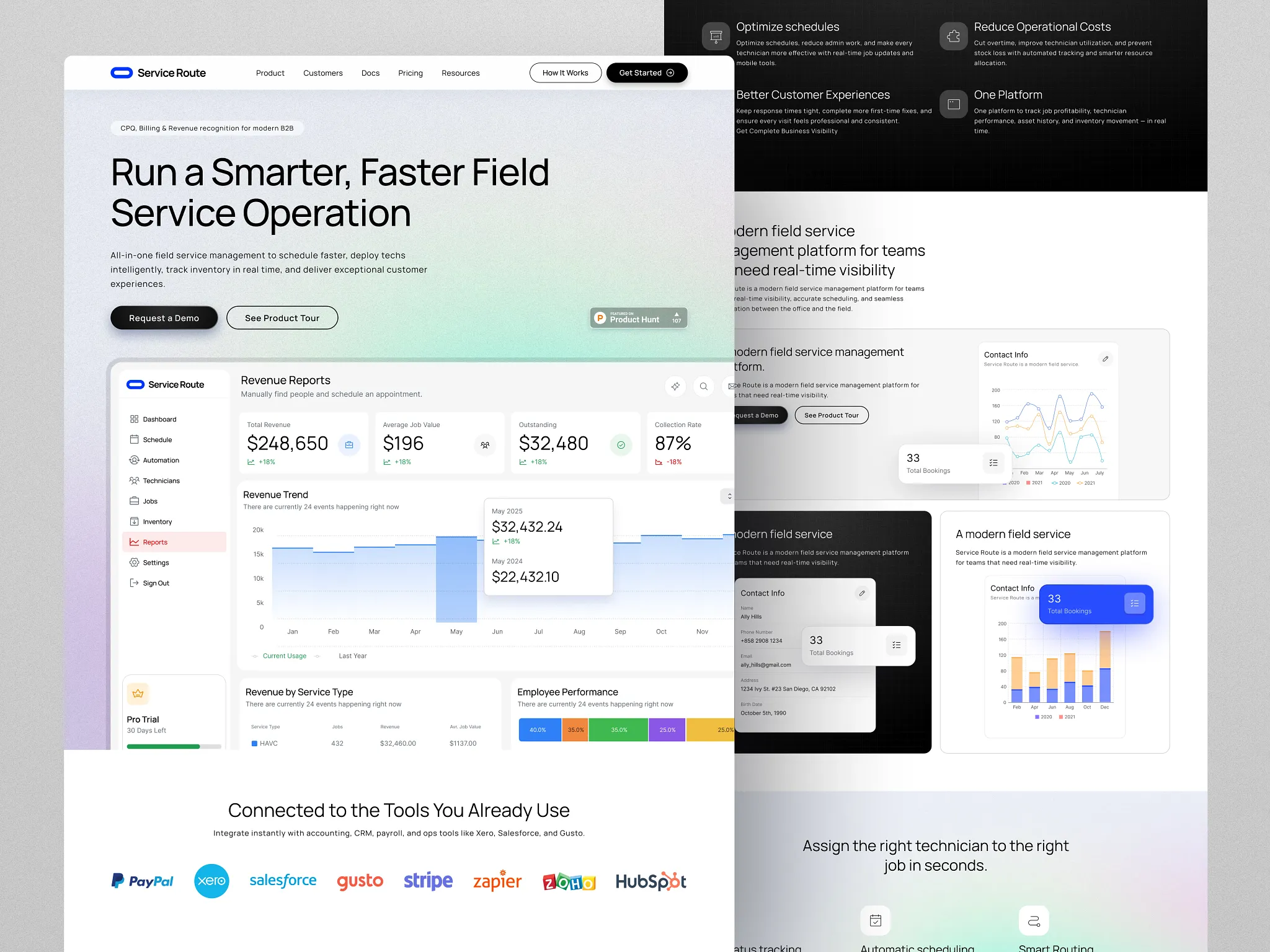
If you Google this question, you’ll see the same advice everywhere: build the landing page first. The logic sounds clean, validate demand, collect emails, test positioning, avoid building something nobody wants. And sometimes that advice is right. But for B2B SaaS founders, the real answer is not yes or no. It depends on what you are actually trying to validate.
Key Takeaways
A landing page validates messaging, not product structure.
Email signups show interest in an idea, not proof of usability or retention.
If you cannot clearly map the core workflow, a landing page may hide product confusion.
Complex B2B SaaS tools require product logic clarity before marketing polish.
The real question is not “landing page or MVP,” but “what uncertainty am I trying to reduce?”
Messaging experiments work best when the product foundation is already defined.
Avoid using a landing page as a substitute for making hard product decisions.
Why Founders Want to Build the Landing Page First
When founders build a landing page before the MVP, they are usually trying to:
Make the idea legible
Clarify the value proposition
Create momentum
Show something to investors
Collect early interest
All valid goals.
A landing page forces you to put your idea into words. That alone creates clarity.
But clarity of messaging is not the same as clarity of product.
That is where things get blurry.
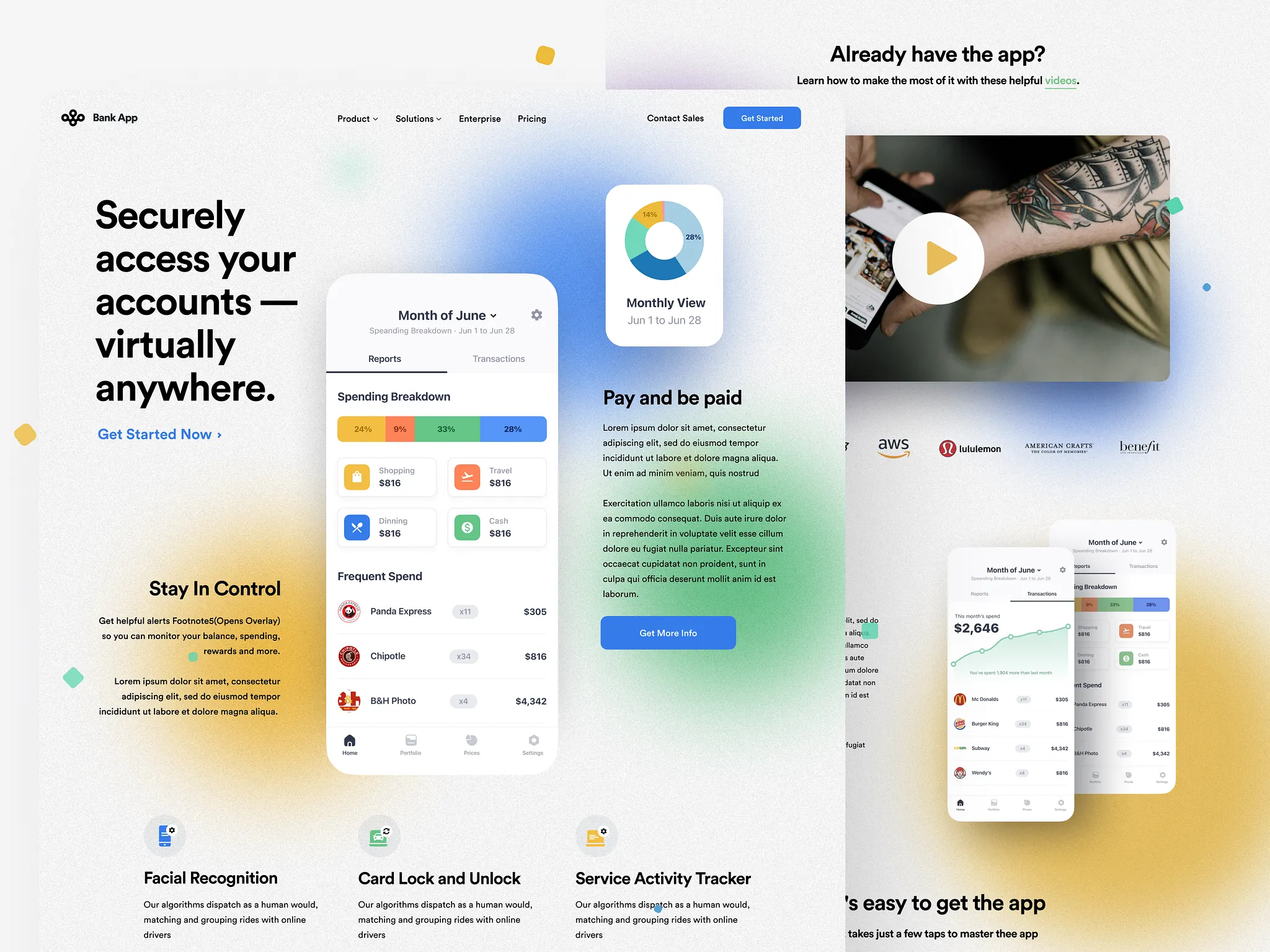
When Building the Landing Page First Actually Helps
A landing page works when the product is clear and the narrative is not.
It refines positioning and tests demand. It does not define the system.
It helps when:
1. You’re Testing Positioning
You already understand the workflow.
You know what the product does.
You just do not know how to explain it.
A landing page helps refine the narrative.
2. You Need Early Market Signal
If your goal is:
Email signups
Waitlist interest
Ad click-through testing
Then yes, a landing page is a low-cost experiment.
3. You’re Raising or Hiring
Sometimes you need something tangible.
A landing page creates perceived momentum.
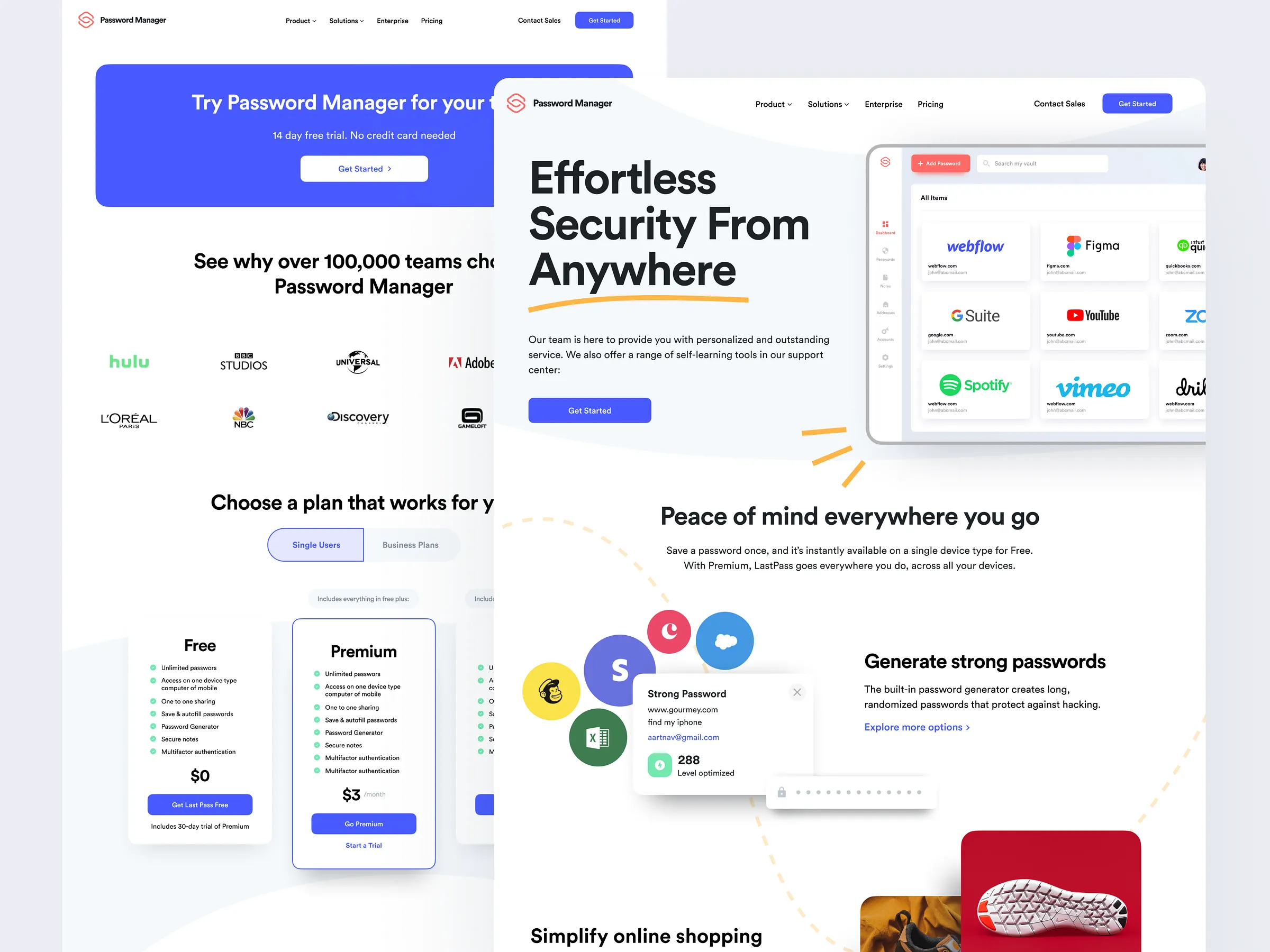
When It Hurts More Than It Helps
This is the part most SERP results do not talk about.
A landing page can validate interest.
It cannot validate product clarity.
If the workflow is undefined, you are selling a narrative, not a system.
A landing page hurts when:
1. You Haven’t Defined the Core Workflow
If you cannot map the primary user journey, your landing page becomes fiction.
You are selling a story, not a product.
2. You’re Avoiding Hard Product Decisions
Sometimes validating with a landing page really means:
“I’m not ready to decide what this actually does.”
The copy looks clear.
The feature bullets sound polished.
But underneath, the product is undefined.
3. You’re Testing Copy Instead of Reality
Landing page signups validate interest in an idea.
They do not validate:
Usability
Retention
Operational complexity
Workflow friction
Especially in complex B2B SaaS.
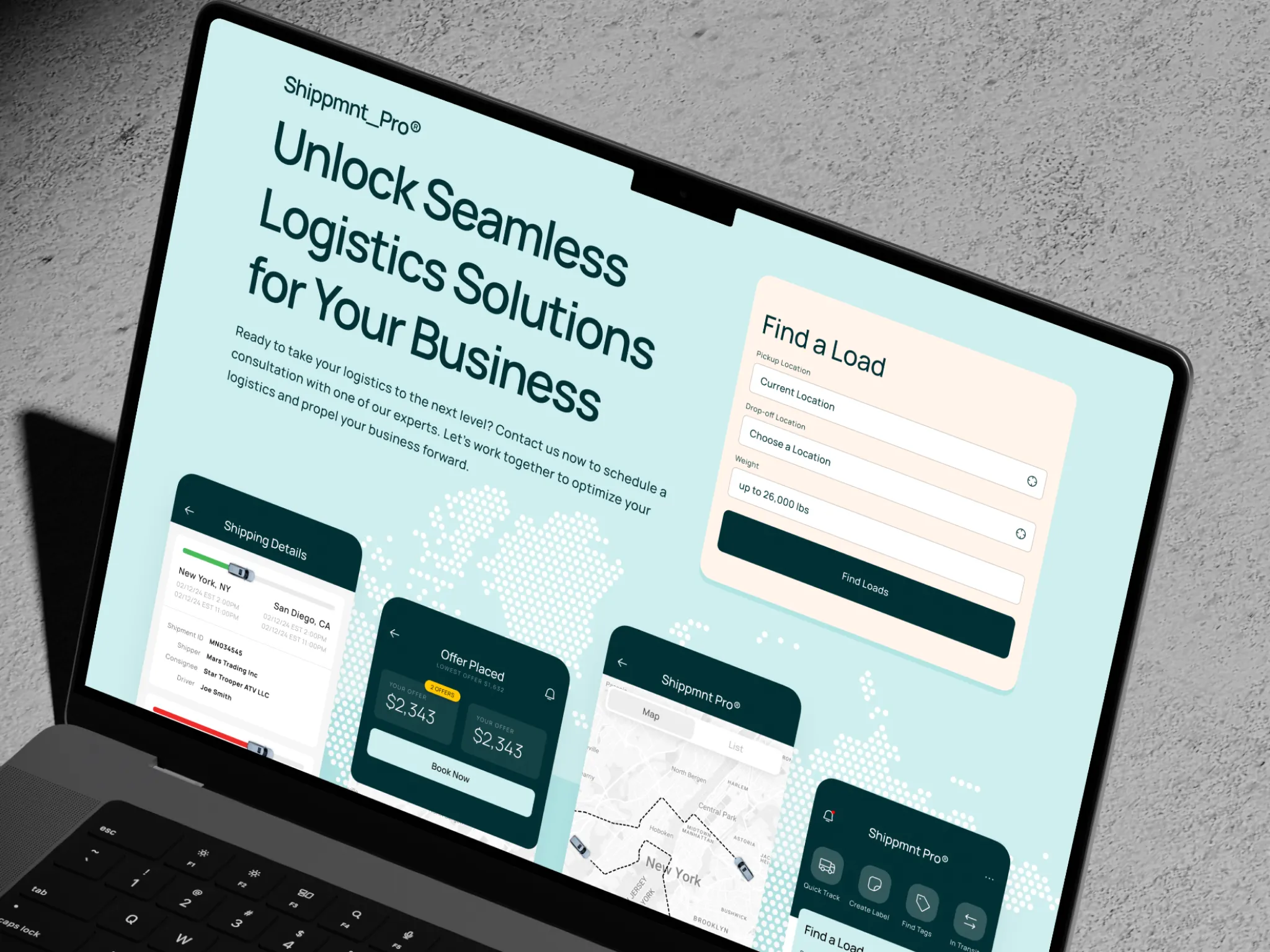
The Real Question You Should Be Asking
Instead of asking, “Should I build a landing page before MVP?” Ask, “What uncertainty am I trying to reduce?”
Is it:
Demand uncertainty?
Messaging uncertainty?
Workflow uncertainty?
Technical feasibility?
Each one requires a different type of validation.
A landing page solves messaging uncertainty.
It does not solve product structure uncertainty.
In complex, ops-heavy SaaS tools such as dashboards, logistics systems, energy platforms, or EHR scheduling tools, product structure matters more than copy.
For Simple Apps vs Complex B2B SaaS Platforms
For a simple tool, a landing page first can be enough.
For a multi-role SaaS platform, you usually need at least a product logic prototype.
Something that answers:
What does the dashboard actually show?
What decisions does it support?
What does the primary workflow look like?
Without that, your landing page is guessing.
Dimension | Simple Apps | Complex B2B SaaS Platforms |
|---|---|---|
User Structure | Usually single user | Multiple roles and stakeholders |
Workflow Complexity | Linear and narrow | Multi-step, multi-role workflows |
Feature Scope | Limited feature set | Interconnected features across modules |
Validation Focus | Interest in the idea | Clarity of product logic and usability |
Landing Page First? | Often sufficient to test demand | Not enough without workflow definition |
Key Question to Answer | Do people want this tool? | How does this system actually function? |
Before Marketing, You Need… | Clear value proposition | Defined dashboard structure, user roles, primary workflow |
Risk of Skipping Structure | Minor confusion | Selling a story without a real product foundation |
A Practical Approach
Instead of landing page first or MVP first, try this:
Map the core workflow on paper
Define the primary user decision
Build a low-fidelity product logic prototype
Then write the landing page
Now your messaging reflects real structure, not speculation.
Landing Page First: Strategic Use vs Risk
Use It When… | Avoid It When… |
|---|---|
The core workflow is already mapped. | The core workflow is still unclear. |
You’re refining positioning, not defining the product. | You’re using marketing to postpone product decisions. |
You want low-cost demand signals. | You need usability or retention validation. |
The main uncertainty is narrative clarity. | The main uncertainty is product structure. |
You are raising or hiring and need something tangible. | The landing page is compensating for undefined product logic. |
So Should You Build the Landing Page First?
Yes if you are validating messaging.
No if you are avoiding product clarity.
In early-stage B2B SaaS, the bigger risk is not lack of demand. It is building something unclear.
Clarity rarely comes from marketing alone.
If You’re Stuck Between Messaging and Product
If you are unsure whether your idea is unclear or your positioning is unclear, that usually means the product has not been fully shaped yet.
That is where structured product thinking helps.
I work with founders building operational SaaS tools to clarify:
Core workflows
Dashboard structure
Feature hierarchy
Product narrative
Before heavy development.
If you want to pressure-test whether your landing page or your product needs attention first, you can book a 1-hour strategy session.
